
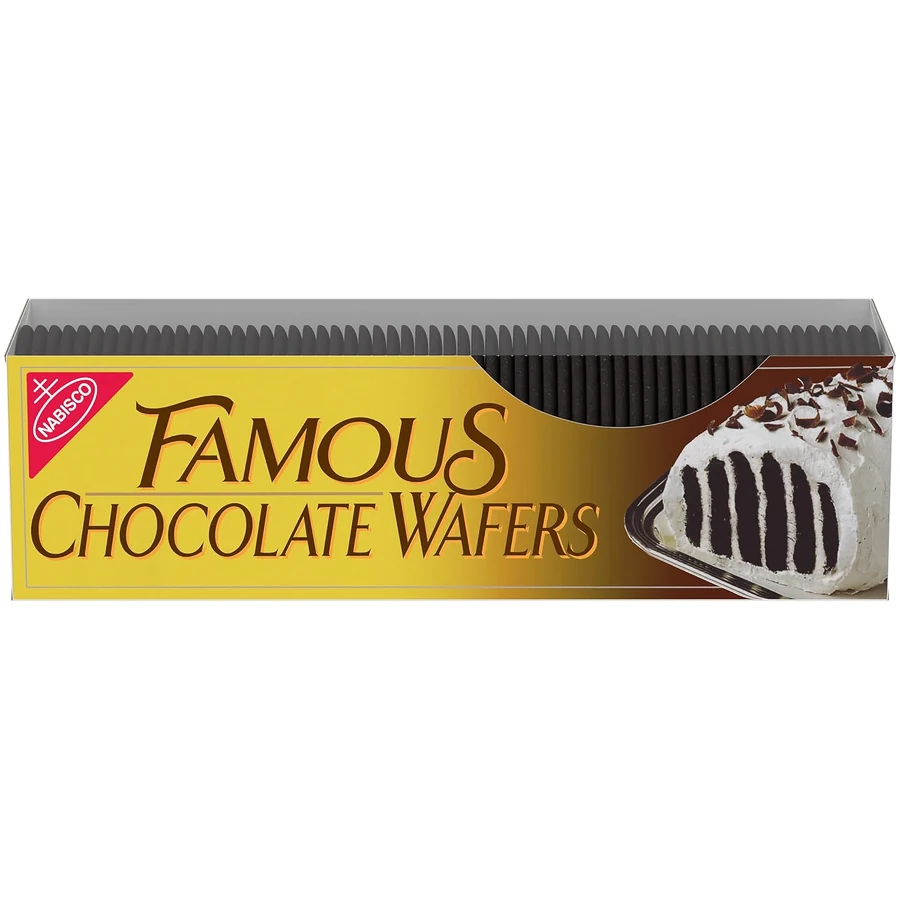
Famous Chocolate Wafers 9 oz
The classic yellow sleeve with roughly 24 thin dark-chocolate wafers—still the benchmark for icebox cakes.
Check PriceFamous Chocolate Wafers are thin, crisp dark-chocolate cookies introduced in 1924. They became a pantry staple for icebox cakes, chocolate pie crusts and no-bake cheesecakes—and earned a devoted following among home bakers who value reliability over trends.
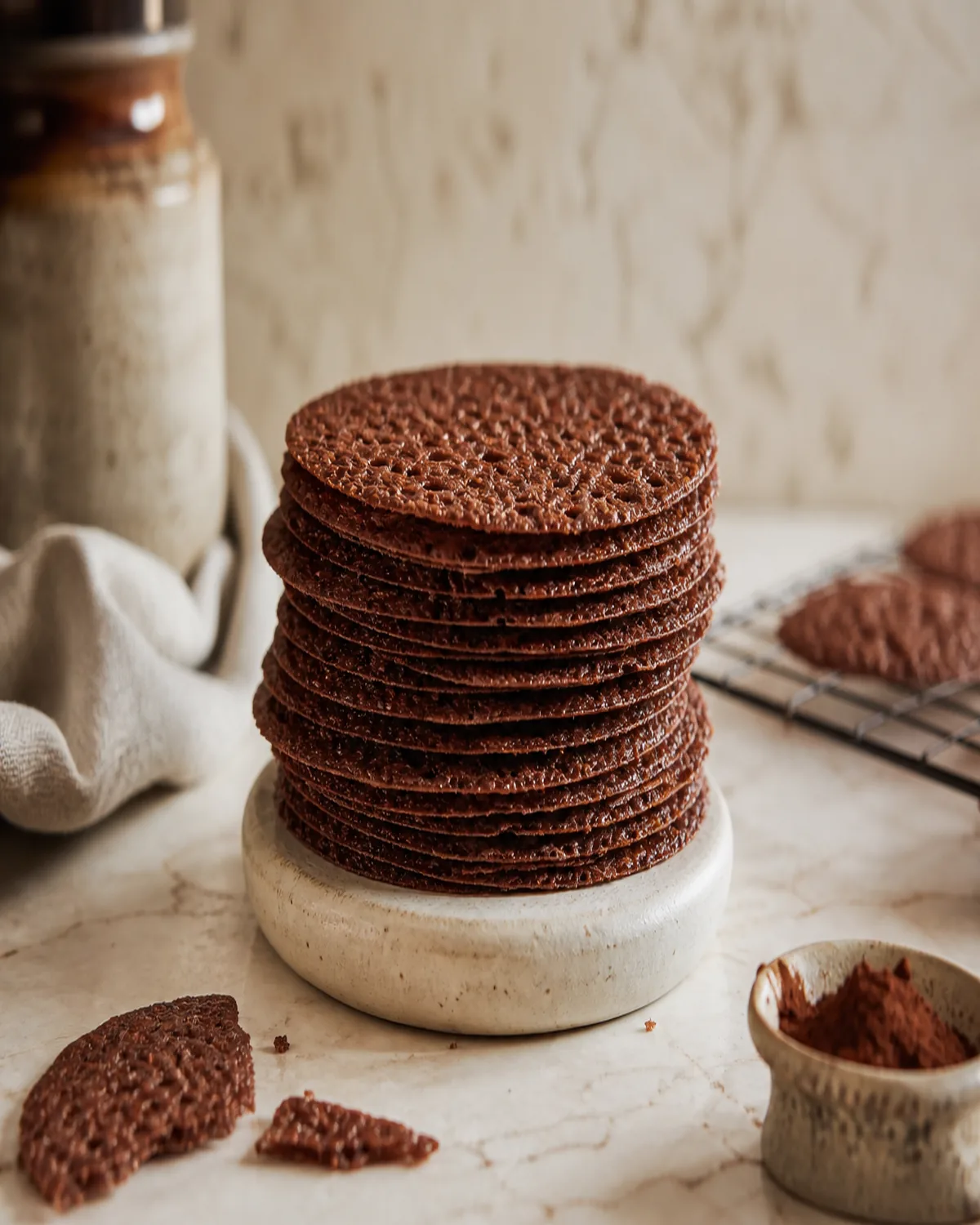
Unlike thick sandwich cookies, these wafers stack flat, absorb cream evenly and soften into tender layers after chilling. That predictable behavior is why the same recipe your grandmother clipped still works today.
Baker trusted
Layers soften overnight
Uses
From retro icebox cakes to modern cheesecake bars—these wafers adapt because they were designed for assembly, not snacking alone.
Alternate wafers and whipped cream, chill overnight, slice clean.
See recipe →Crush or line a pan—no rolling pin, no blind baking.
Crust tips →Press wafers into springform sides for striped no-bake sides.
Cheesecake guide →Crisp straight from the sleeve with cold milk—nostalgia included.
Product facts →Out of stock? Compare alternatives before you swap.
Swap guide →What home cooks say about texture, sourcing and results.
Read reviews →Best Sellers
Four Famous Chocolate Wafers listings bakers compare before holiday weekends—each with a direct price check.
The classic yellow sleeve with roughly 24 thin dark-chocolate wafers—still the benchmark for icebox cakes.
Check Price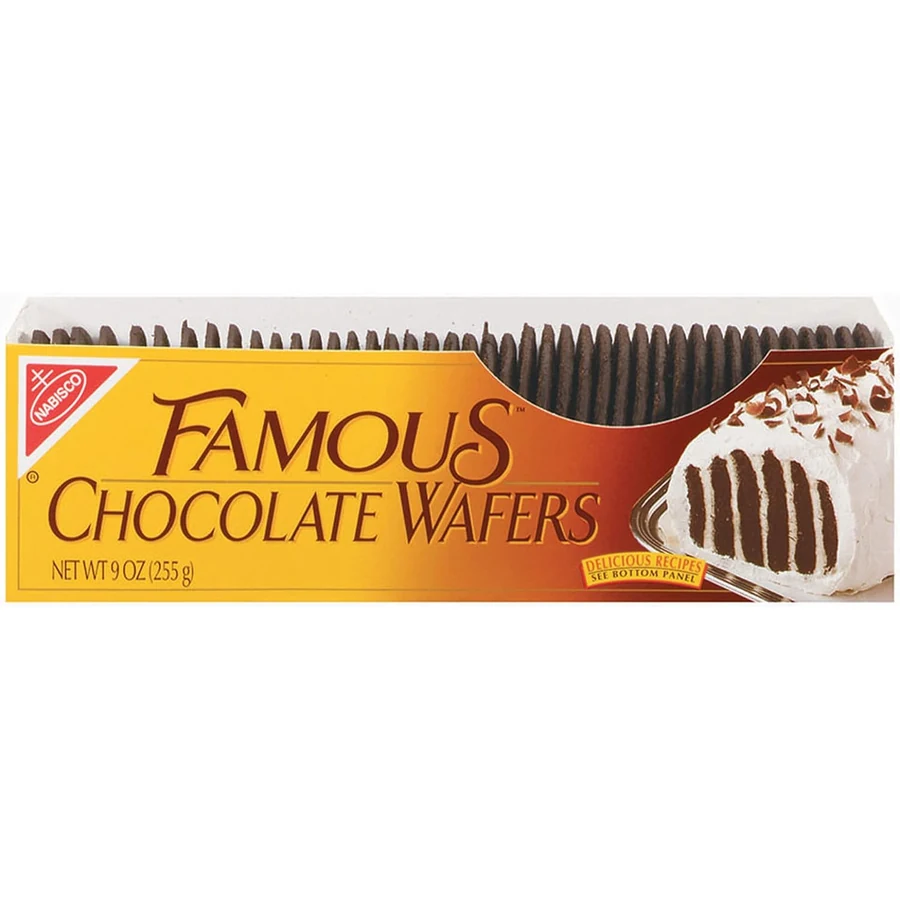
Same iconic 9 oz tray from a top Amazon listing—check seller freshness dates before holiday baking.
Check Price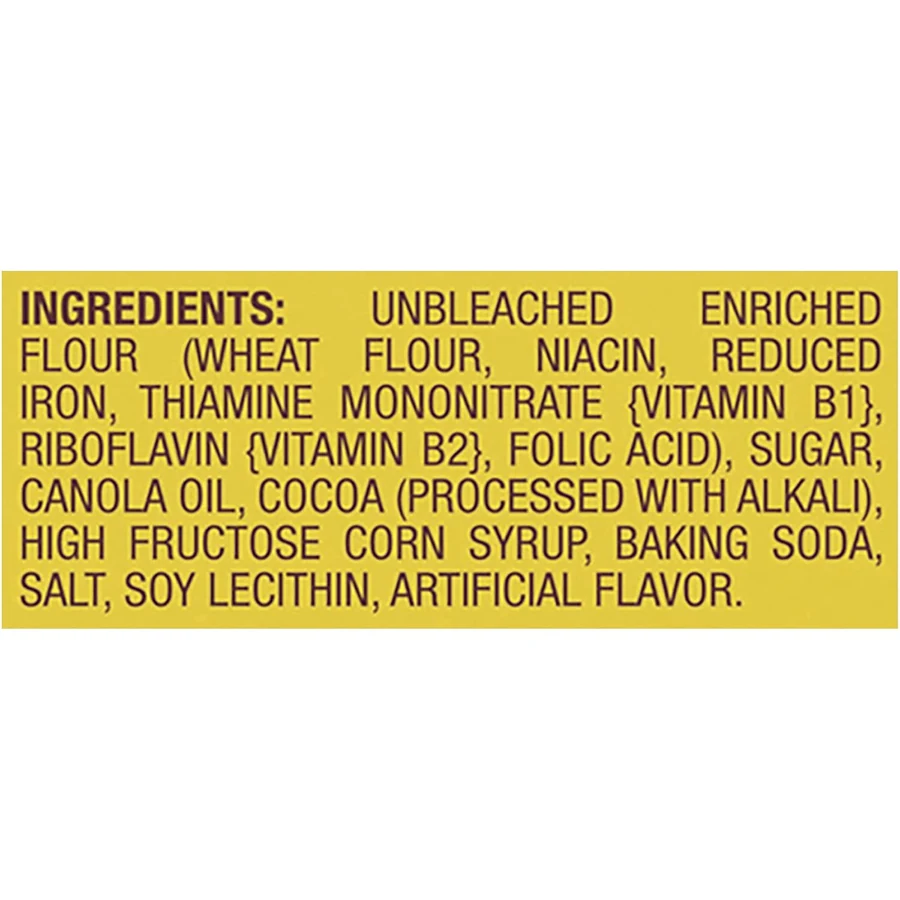
Stock two sleeves before assembly day so you can patch gaps and build a tall striped holiday loaf.
Check Price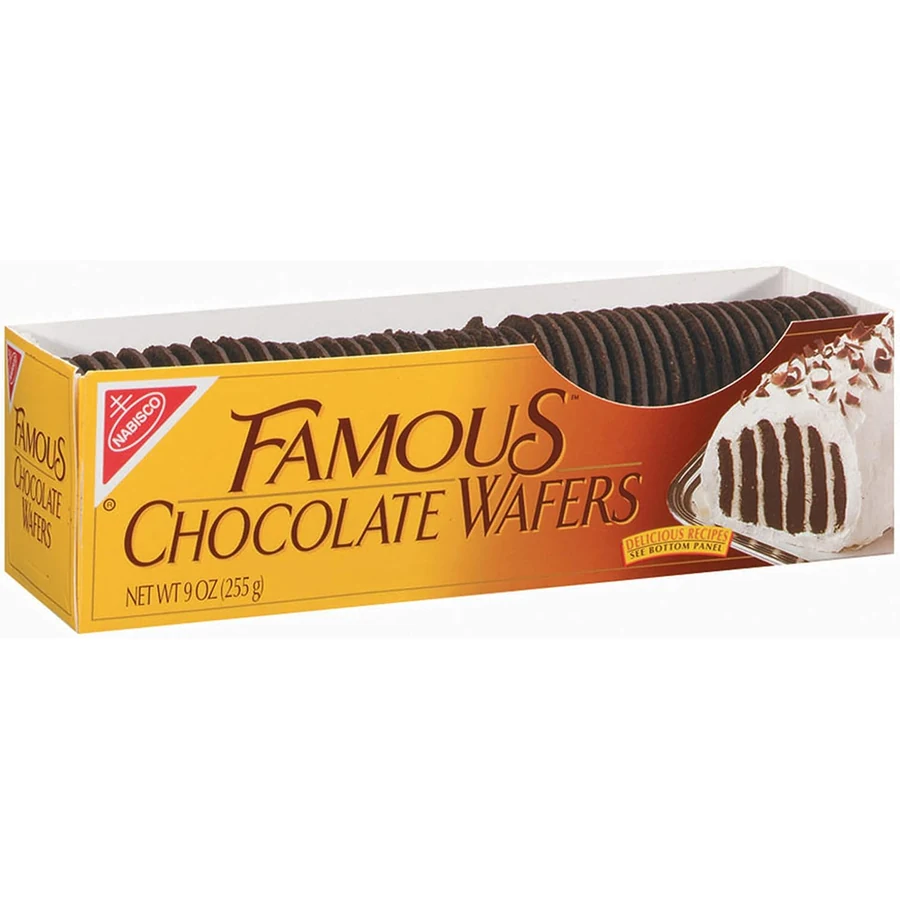
One box crushes into a bittersweet chocolate shell for pudding pies and no-bake cheesecake walls.
Check Price
Heritage
When Famous Chocolate Wafers debuted in 1924, home refrigeration was still new. Icebox cakes—layered desserts chilled overnight—became the clever answer for hosts who wanted elegance without firing up an oven.
The wafers themselves stayed deliberately simple: thin, dark, crisp, with enough cocoa bitterness to balance sweet whipped cream. That restraint is why the cookie never felt like a fad. It became infrastructure for American dessert culture—the edible brick in a thousand church cookbooks and family recipe cards.
Over decades, bakers stretched the format. Some crushed wafers into pie shells. Others pressed them vertically around cheesecake fillings so every slice showed neat chocolate stripes. Food writers rediscovered the icebox cake in the 2000s, but loyalists had never stopped making it. The cult following was always there—quiet, practical, rooted in results rather than hype.
Uniform thickness means even cream absorption and clean slices.
Dark chocolate notes cut through sweet fillings without overpowering.
Shelf-stable sleeves ready when holiday guests confirm last minute.
Baker's primer
Walk into any serious home baker's pantry during summer and you may spot a yellow-and-red sleeve tucked behind the flour bin. Famous Chocolate Wafers earned that spot because they solve a specific engineering problem: how do you build a tall, sliceable dessert without baking a sponge, cooling it, leveling it and praying it does not dry out? The answer is layered cookies that soften from the inside out while the outer wall holds shape.
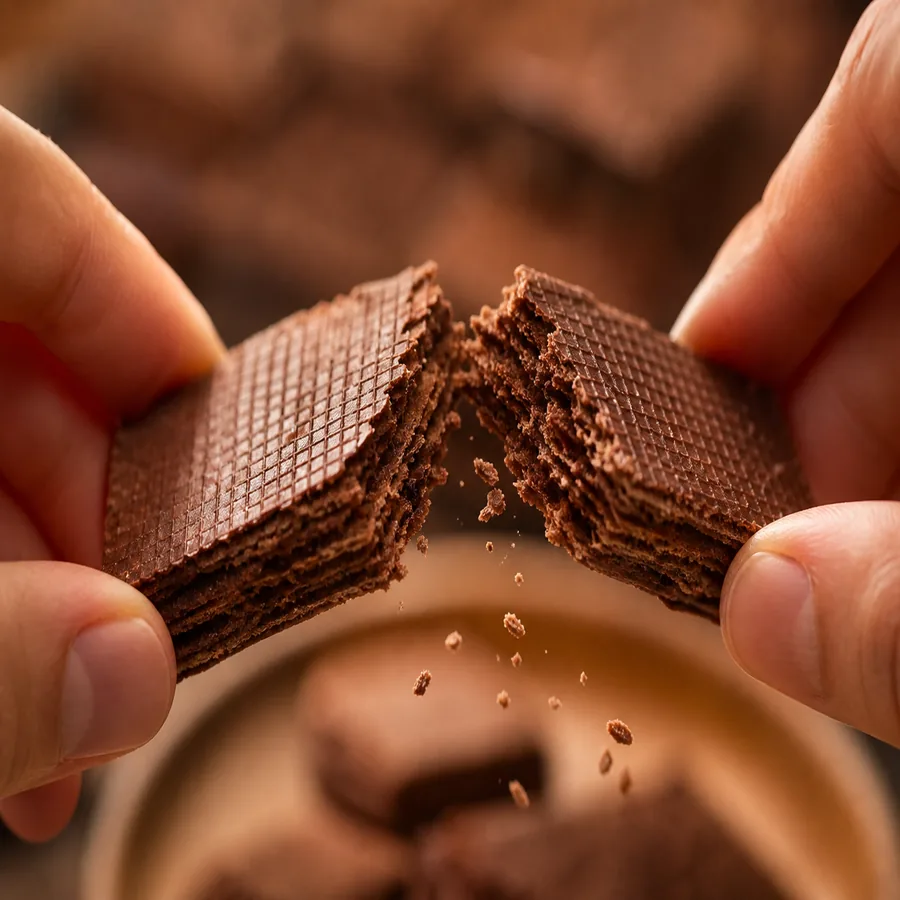
The texture matters as much as flavor. Each wafer shatters when snapped, then relaxes into a tender, cake-like crumb after eight to twelve hours in the refrigerator. Thicker chocolate cookies leave gritty pockets; graham crackers turn mushy and one-note. These wafers occupy a middle ground—structured yet absorbent—that recipe developers have relied on for generations.
Availability fluctuates by region and season, which partly fuels the cult mystique. When shelves empty before Thanksgiving, forums light up with sourcing tips. Some bakers freeze extra boxes; others scout international food aisles. Our Substitute guide walks through honest swaps when the classic box is nowhere to be found.
If you are new to the category, start with the classic icebox cake: heavy cream, a touch of sugar, vanilla and one sleeve of wafers layered in a loaf pan. Cover and chill overnight. The next day you will understand why commenters call the result "greater than the sum of its parts." For ingredient specs and nutrition context, see product details. For community notes on freshness and packaging, browse baker reviews.
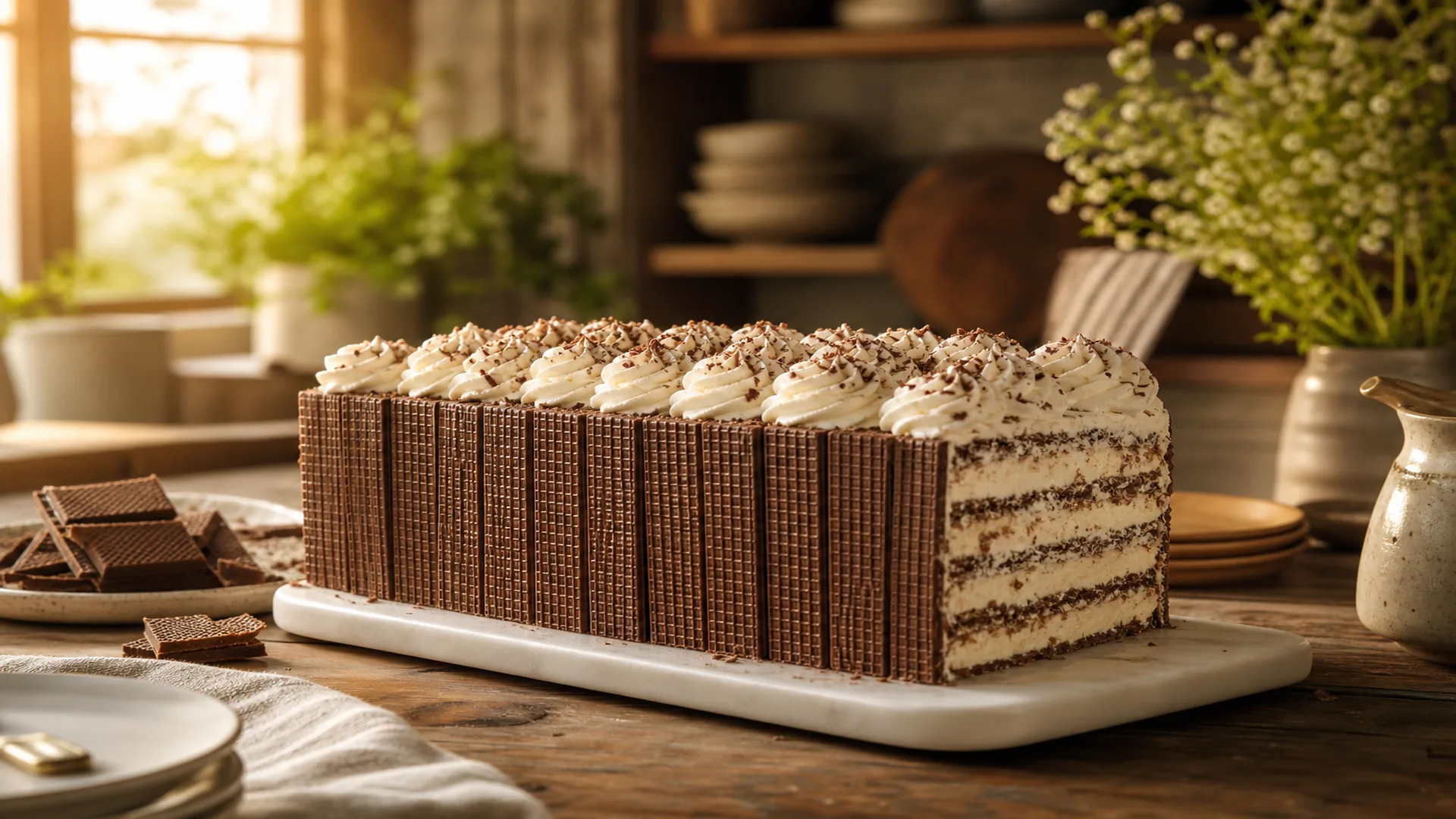
No oven, no fuss—just layers that merge into something worth serving on your best platter.
Get the recipeBaker values
Four habits separate successful wafer desserts from soggy disasters—and none require pastry-school training.
Overlap wafers slightly so cream lines stay straight when sliced.
Whip cream just to soft peaks—it spreads without crushing wafers.
Eight hours minimum; twenty-four yields the cleanest cut.
Wipe the blade between cuts for photo-ready stripes.
From kitchens
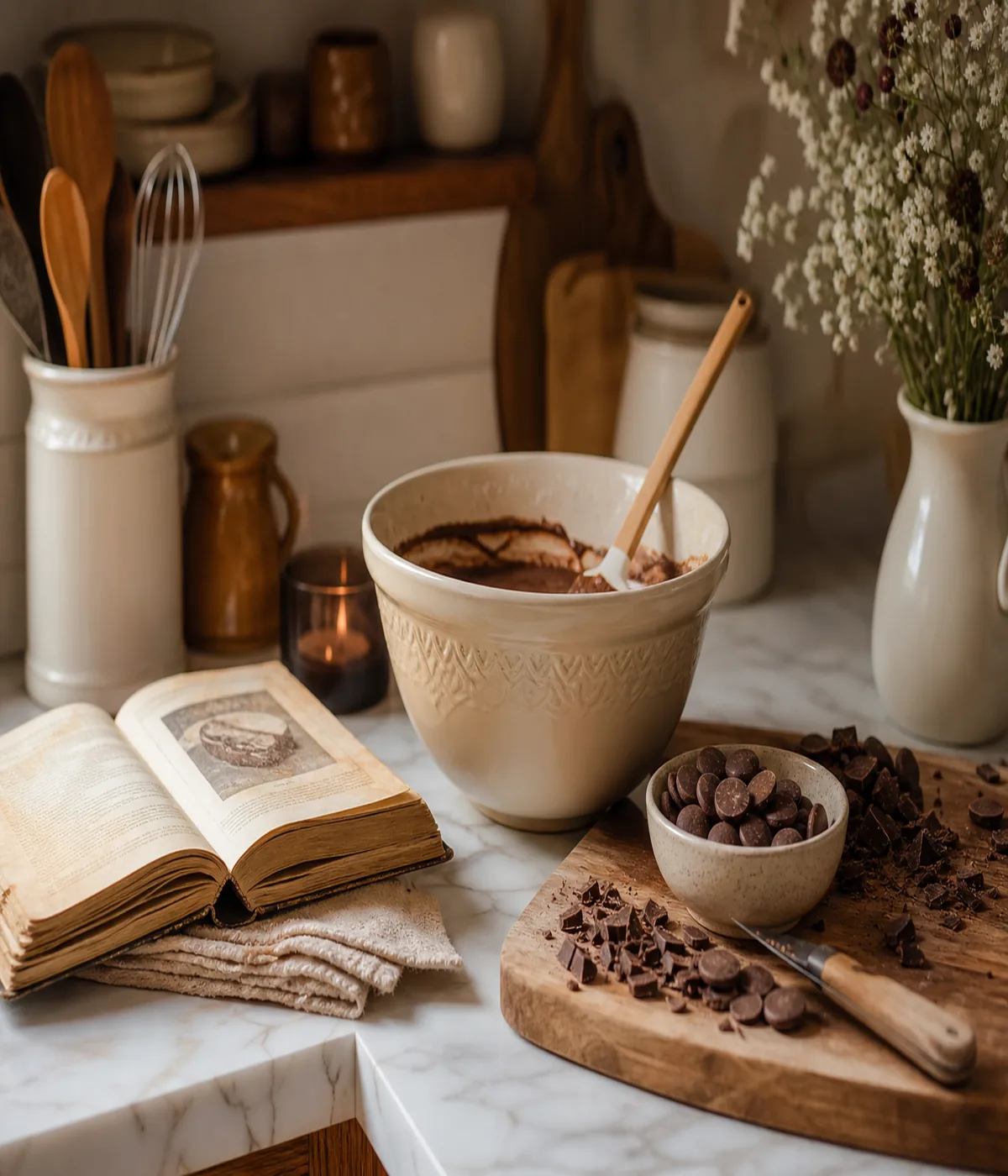
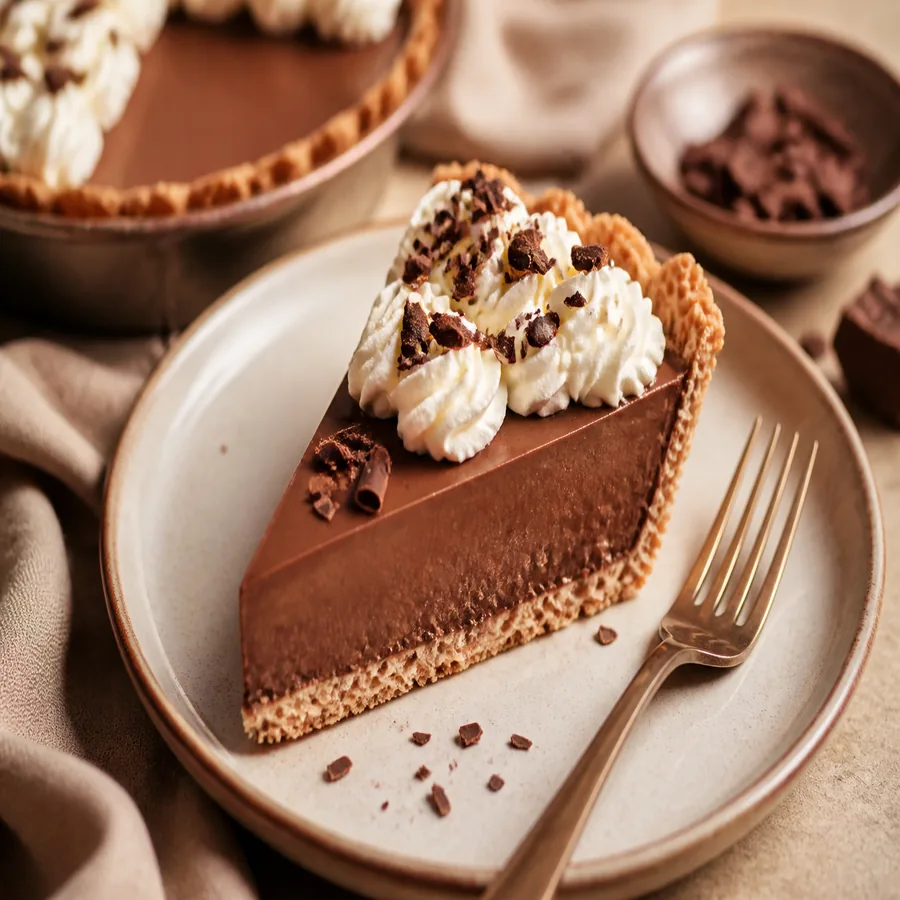
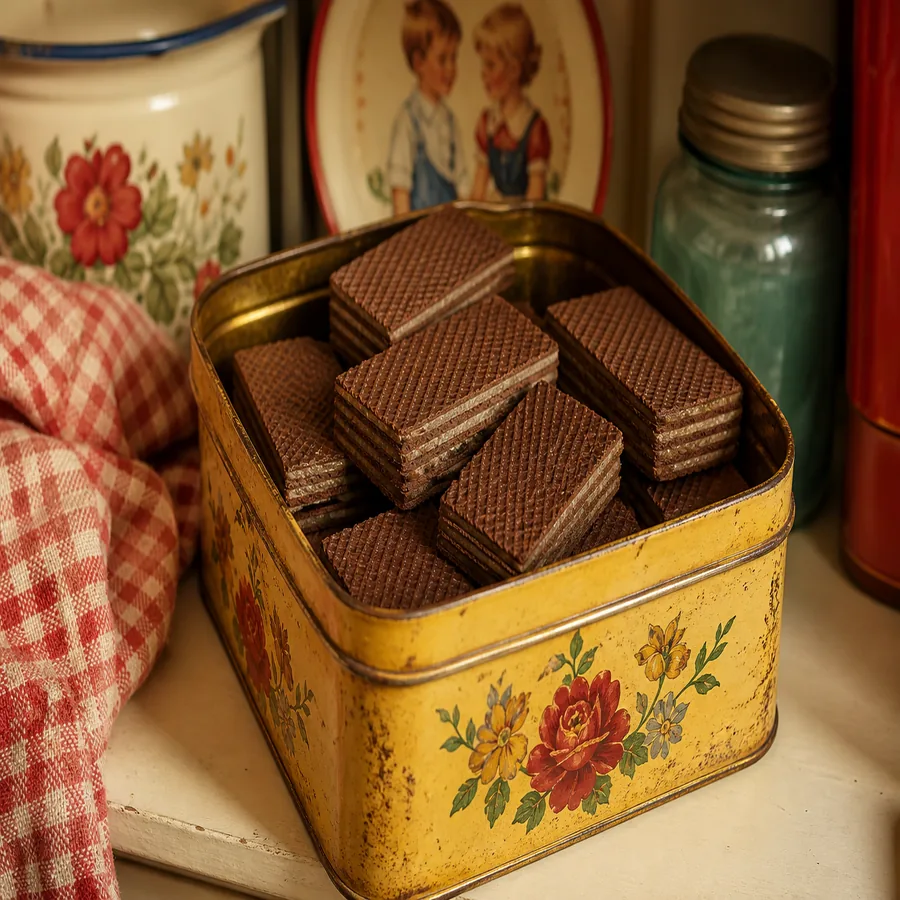
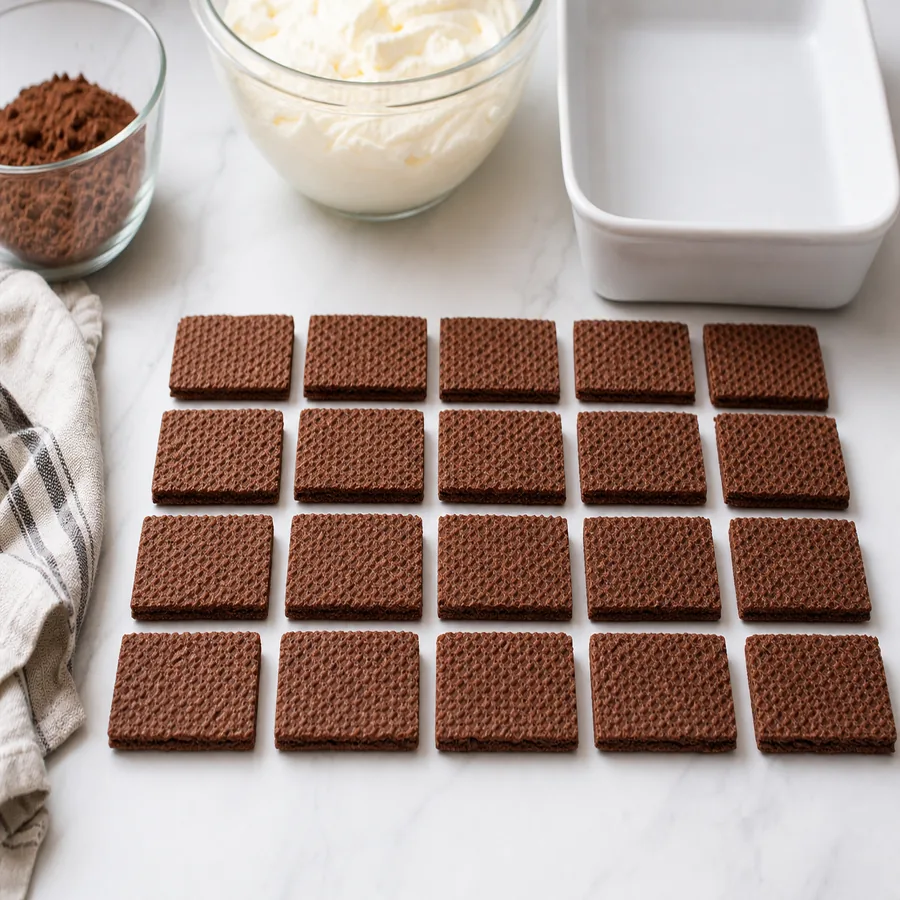
Real desserts from home bakers—icebox cakes, pie nights and after-school milk-and-cookie moments.

By the numbers
Reviews
FAQ
Anything else? Write to us—we read every note from bakers.
Each wafer is a thin rectangular cookie roughly 2.5 by 1.25 inches—designed to stack evenly for icebox cakes and pie crusts.
No. They are fully baked crisp cookies meant for no-bake assembly with whipped cream, pudding or cheesecake filling.
Grocery baking aisles, specialty food stores and online retailers stock them seasonally—see our Details page for sourcing tips.
Layers of wafers and whipped cream chilled until the cookies soften into a sliceable cake—no oven required. See our Recipe page.
Yes—other chocolate wafers, graham crackers or sandwich cookies can work with recipe adjustments. See our Substitute guide.
Pick up a box, whip some cream, and let the refrigerator do the rest.