
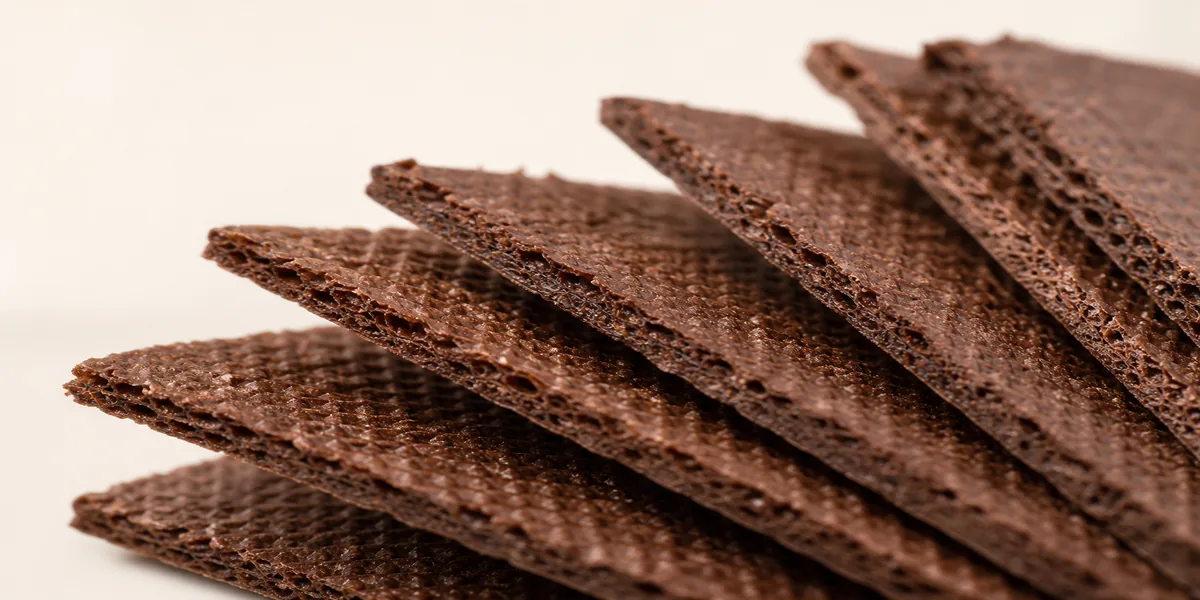
Everything about the wafers
Thin, crisp, dark-chocolate cookies engineered for stacking—not snacking alone. Here is what bakers need before they buy.
Related picks
Boxes bakers compare
Five products readers cross-shop when stocking up for holiday desserts.
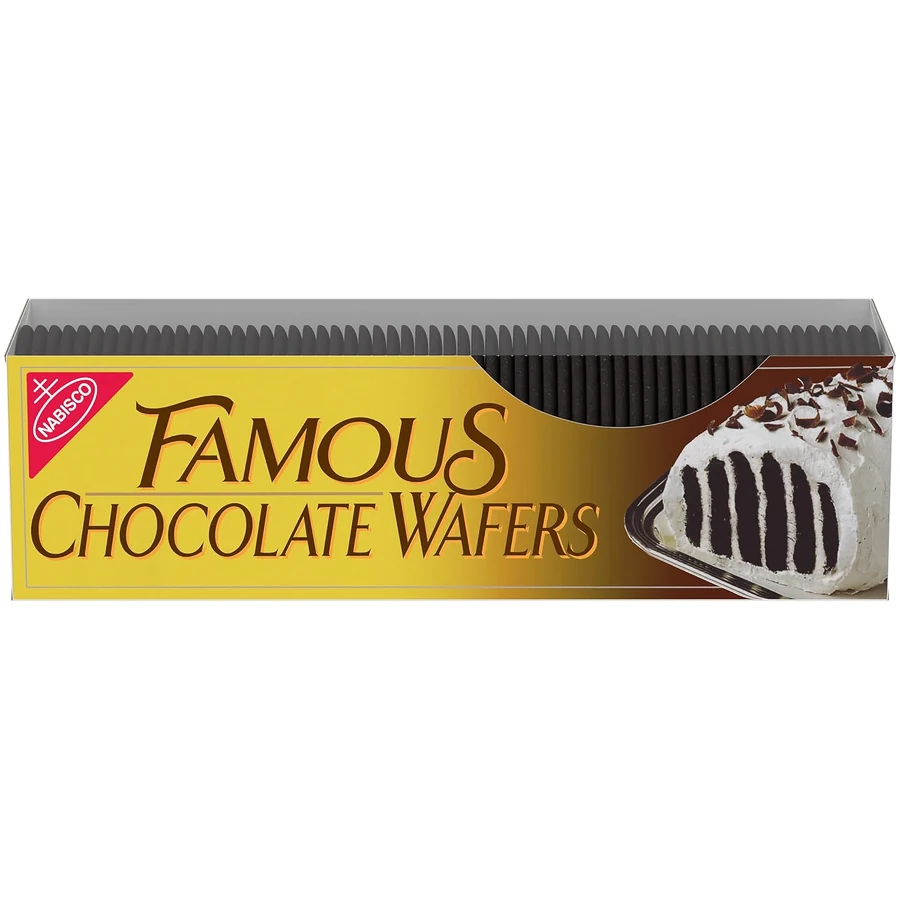
Famous Chocolate Wafers 9 oz
The classic yellow sleeve with roughly 24 thin dark-chocolate wafers—still the benchmark for icebox cakes.
Check Price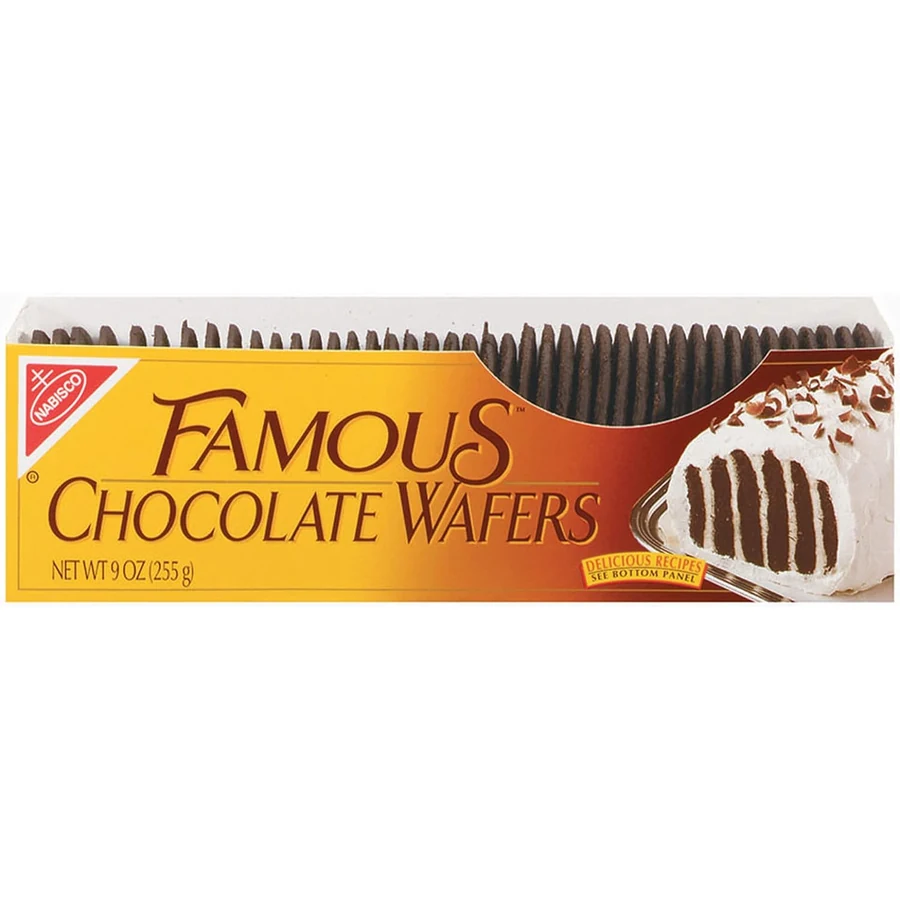
Famous Chocolate Wafers 9 oz
Same iconic 9 oz tray from a top Amazon listing—check seller freshness dates before holiday baking.
Check Price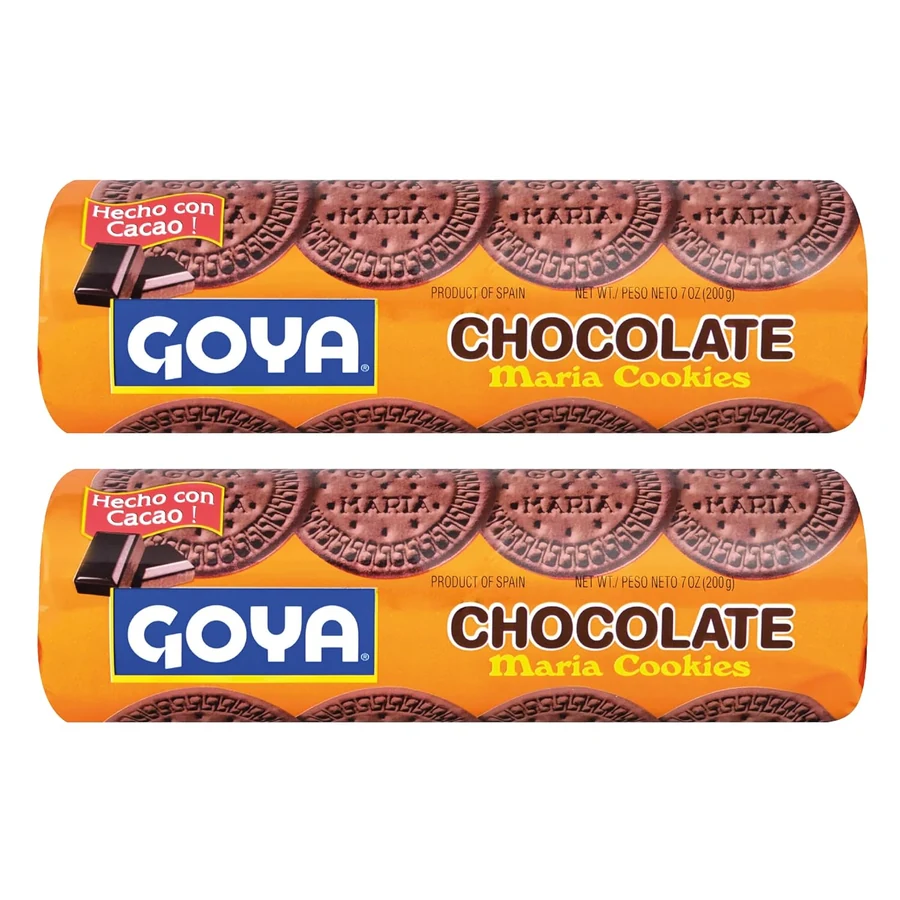
Goya Maria Chocolate Cookies
Thin crisp chocolate wafers bakers reach for when the classic Famous box is out of stock online.
Check Price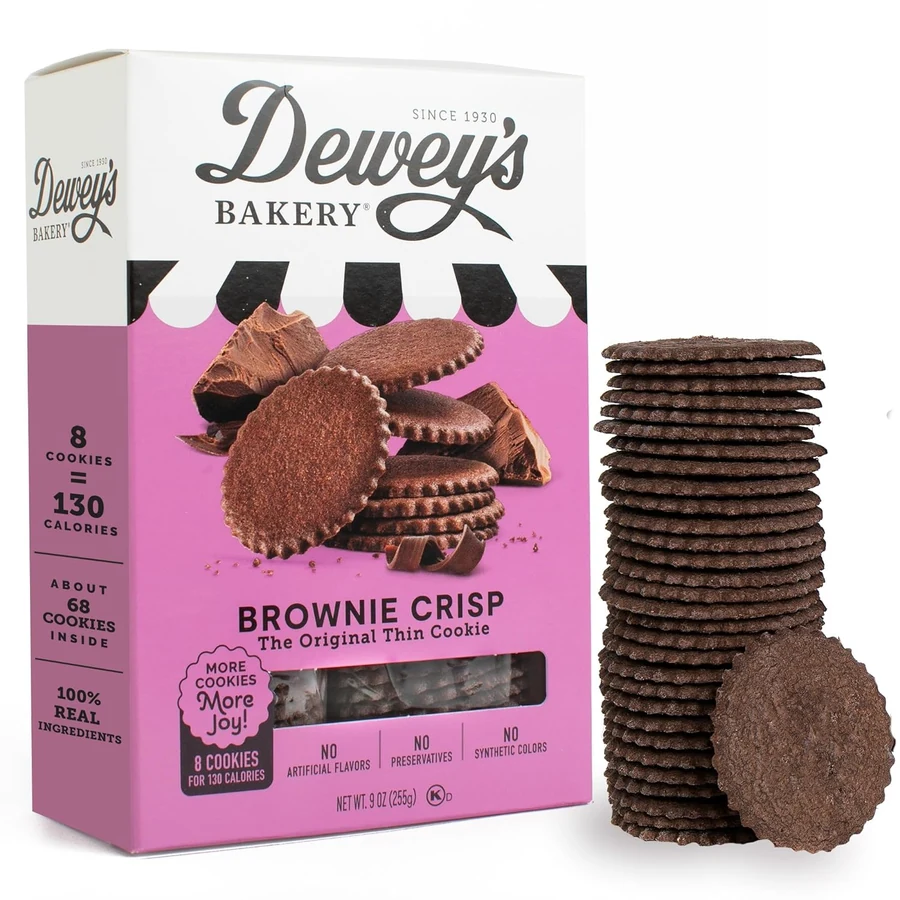
Dewey's Brownie Crisp Thins
Dark cocoa cookie thins with a shattery snap—popular backup for crumb crusts and layered desserts.
Check Price
Chocolate Ice Cream Wafers
Rectangular chocolate wafers without filling—useful reference size when comparing thin-cookie substitutes.
Check PricePhysical specs
Each wafer measures roughly 2.5 inches long by 1.25 inches wide and stays deliberately thin—about two to three millimeters. That flat profile lets cream penetrate evenly so layers soften at the same rate. Thicker cookies create uneven moisture pockets; these wafers were engineered to avoid that problem.
A standard retail box holds approximately 24 wafers, enough for one modest icebox loaf or a nine-inch pie crust with crumbs left over. Ambitious striped cheesecakes may need two boxes. Always buy an extra sleeve before holiday weekends—regional stockouts are common.
Flavor and texture
The cocoa flavor leans dark and slightly bitter—a deliberate contrast to sweet whipped cream or pudding fillings. Straight from the package the cookie shatters cleanly; after chilling it becomes tender without turning mushy. That dual personality is the entire value proposition.
Bakers describe the snap as "shattery but not sandy." If your box tastes stale or soft at purchase, the sleeve may have been stored near heat or past peak freshness. See our Reviews page for freshness cues other shoppers watch for.
Typical ingredients
Formulations vary slightly by manufacturer and year, but expect enriched flour, sugar, palm or vegetable oil, cocoa processed with alkali, chocolate, leavening and salt. They are not gluten-free as traditionally produced. Always read the current label if allergies matter—reformulations happen quietly.
A single wafer runs about 25–30 calories with modest fat from oil and cocoa. The dessert calories come mostly from cream, butter or cheesecake filling—not the cookie itself.
Shelf life and storage
Unopened sleeves stay crisp for several months in a cool pantry. Heat and humidity are enemies—summer garages and oven-adjacent cabinets shorten life fast. Once opened, transfer wafers to a zip bag with minimal air or wrap the cut end of the inner tray.
Freezing works. Slide the unopened box into a freezer bag for up to three months. Thaw at room temperature still sealed so condensation does not land on the cookies. Many cult bakers freeze extras in November specifically for July icebox cakes.
Where to buy
National grocery chains stock them seasonally—often beside graham crackers and pie fillings from October through December. Year-round availability improves in the Northeast and parts of the Midwest. Online marketplaces carry multi-packs when local shelves are bare.
International food aisles sometimes hide alternate brands with similar dimensions. If you cannot find the classic box, consult our Substitute guide before abandoning a recipe. Then head to the Recipe page once you are stocked.
History snapshot
Introduced in 1924, these wafers rode the rise of home refrigeration. Icebox cakes needed a cookie that could absorb moisture without collapsing—and a cult of practical bakers followed. The format barely changed because it did not need to. Return to the homepage for the full heritage story.
Allergy and diet notes
Traditional formulas contain wheat and soy. They are not produced as gluten-free, vegan or nut-free items in standard grocery channels. Cross-contact policies vary by facility—call the manufacturer on the current label if you serve guests with severe allergies. Keto and low-carb bakers sometimes crush them sparingly; the flour and sugar content makes them an occasional treat, not a staple.
Serving counts
One box typically covers a single loaf icebox cake with modest height. Double recipes for potlucks need three to four boxes. Pie crusts consume one box plus two tablespoons of melted butter. Cheesecake walls may require two boxes depending on pan diameter—dry-fit wafers around the ring before you whip cream.
Label reading tips
Compare net weight and unit count between brands before assuming boxes are identical. Limited editions and holiday packaging sometimes shrink sleeve counts quietly. Photograph the nutrition panel when you find a great batch—future reformulations are easier to spot when you have a reference image saved on your phone.
Professional kitchen use
Pastry cooks in small bakeries keep these wafers on hand for last-minute catering trays. The cookies tolerate rough handling better than sponge layers during transport. Some chefs brush liqueur onto wafers before cream for adult dinner parties—coffee or orange liqueur pairs cleanly with dark cocoa. Always disclose alcohol to guests when serving.
Restaurant buyers should confirm case pack dimensions with distributors. Warehouse clubs occasionally stock multi-box flats before winter holidays—compare per-wafer cost against specialty grocers before you commit to pallet quantities.